Headliner

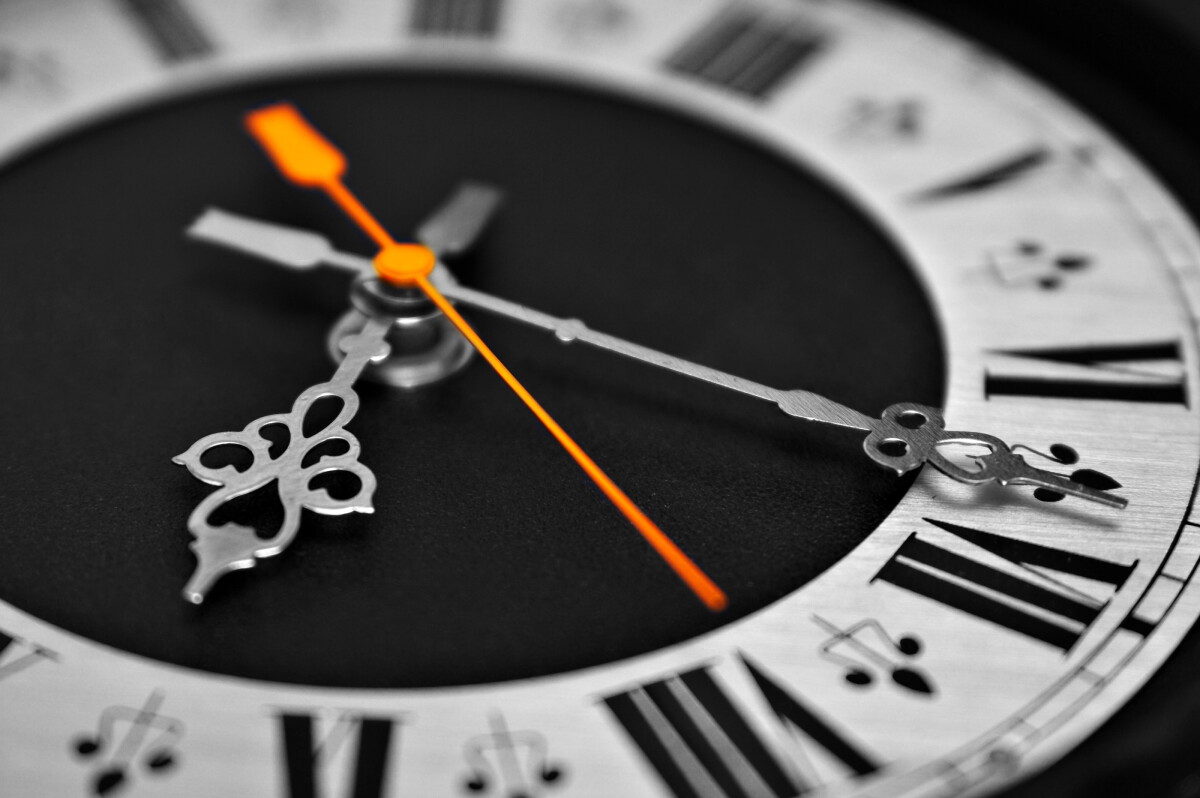
Our planet has a time problem – and it may be about to get weirder
by Mike McRae
The 28th General Conference on Weights and Measures is expected to settle the debate over whether we should be so pedantic about our measures of time, putting the future of the "leap second" to a vote.
Today’s newsletter sponsor
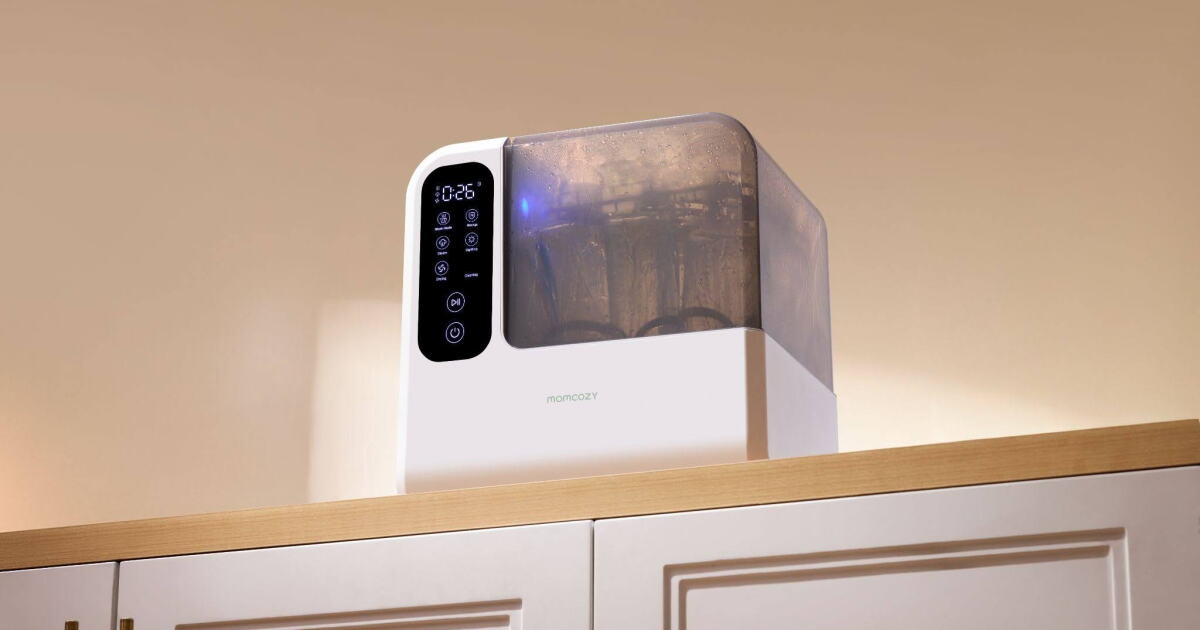
Momcozy D8 Takes a Precision Approach to Baby Bottle Cleaning
Most bottle washers are built around bottles. Momcozy's D8 takes aim at a harder problem: tiny feeding accessories and irregular pump parts, using dedicated precision jets to reach narrow spaces where milk residue can linger in daily feeding routine.
Highlights
This cooler gets colder when you heat it up
by Etiido Uko
You can’t brighten a room with darkness, you can’t dry a towel by soaking it, and you surely can’t cool things with heat. Right? Well, maybe. Scientists have just built a solid-state cooling device that can use heat to generate cold.
Serious human illness transmitted by ticks has been identified
by Bronwyn Thompson
Scientists have uncovered a new pathogen transmitted to humans by ticks, reminding us that one of the biggest threats to our health is zoonotic diseases. The upside is that the more we know, the better our survival odds become.
Special promotion for New Atlas readers
One AI platform gives you GPT, Claude, and more for life for $70
Some AI tools are better for certain jobs. Toggling between tools is a waste of time, but settling for less than the best is not an option. 1min.AI gives you the best of both, with lifetime access to dozens of AI models for a one-time fee of $69.97.
More Stories
Review: Liene PixCut S1 prints AND cuts custom stickers for pennies
by Joe Salas
The PixCut S1 isn't a typical printer. Yes, it can do 4 x 6 prints pretty good ... but where it shines is turning your silly ideas into custom die-cut stickers for super cheap.
Our sex organs could be pacemakers for aging through our body
by Mike McRae
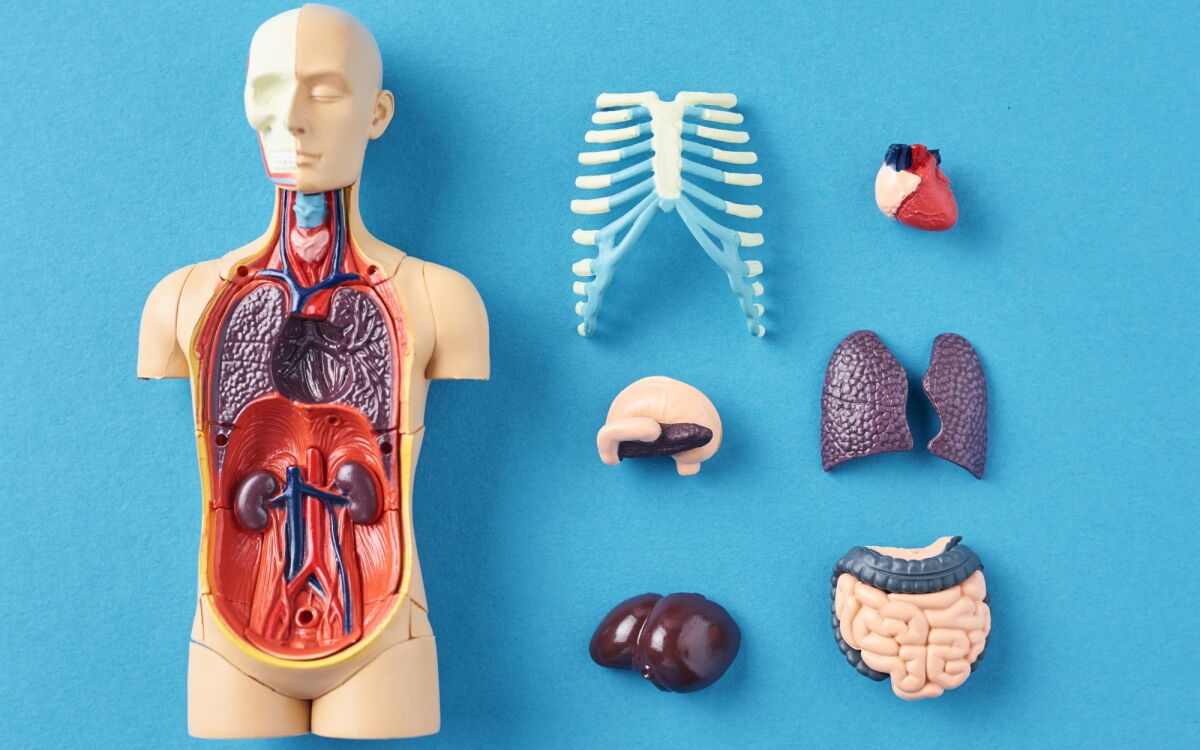
Researchers at the Sanford Burnham Prebys Medical Discovery Institute have developed a method to quantify the structural aging of tissues from a snapshot of their cellular architecture.
Road-ready tiny house is equipped for full-time living
by Adam Williams

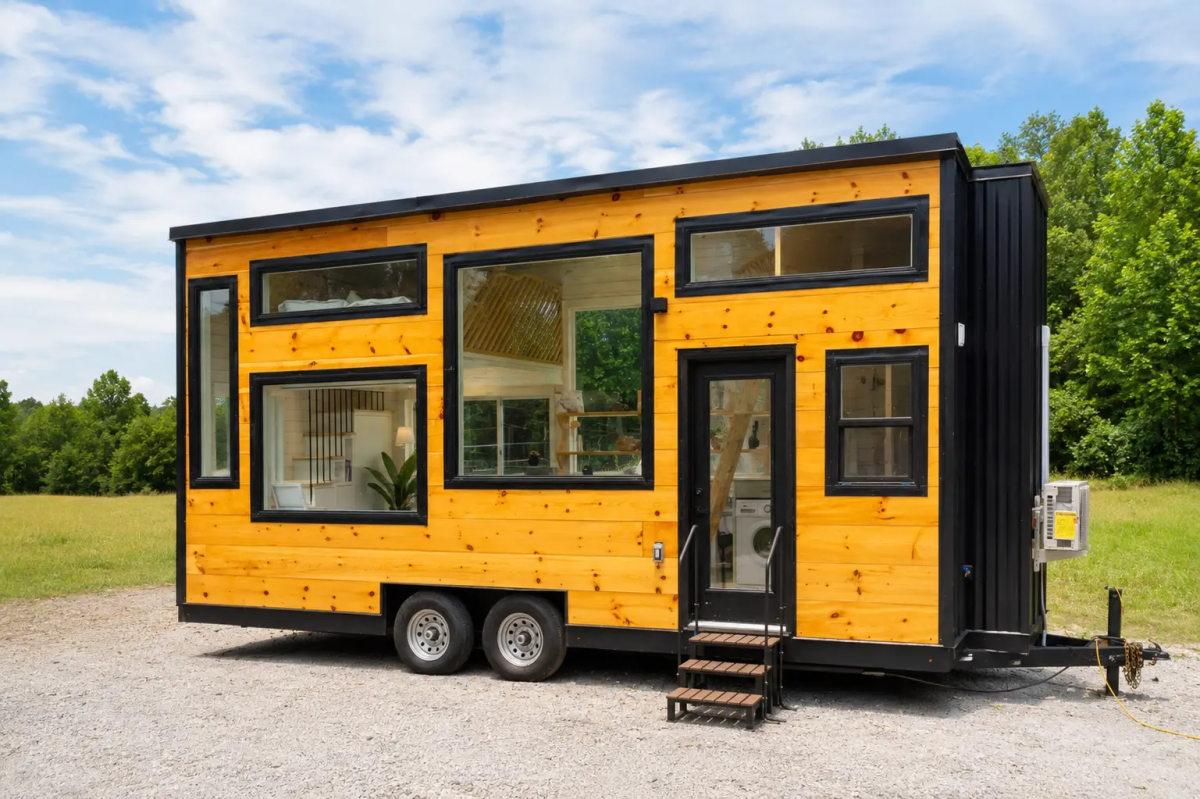
Dragon Tiny Homes' custom Vista tiny house has a compact 24-ft-long footprint while packing in some notable features, including an open living area with a home office, plus a full kitchen, and two bedrooms.
Inflammation is 2026’s biggest wellness trend. Here’s what actually works
by Bronwyn Thompson

From Korean cosmetic sperm injections to experimental peptides, the wellness industry has become one of the world's most lucrative, projected to be worth nearly US$10 trillion by 2029. Yes, that's $10,000,000,000,000. But there's a real problem here.
Range Rover's first electric SUV brings proper off-roading cred
by Abhimanyu Ghoshal
After ruling the luxury SUV roost for over half a century, the Range Rover is finally available in a fully electric version. JLR says it's worked on this for the last decade, and filed more than 300 patents along the way to bring it to life.
Special promotion for New Atlas readers
Stop rewriting prompts. Start engineering loops.
Most developers babysit AI one prompt at a time. Top engineers don't, they build loops that plan, execute, and self-correct. The Code built The Ultimate Guide to Loop Engineering, giving you the exact system Silicon Valley engineers use. Sign up and get the guide free, plus a 5-minute daily newsletter.

Common low back pain device finds itself in the spotlight
by Bronwyn Thompson
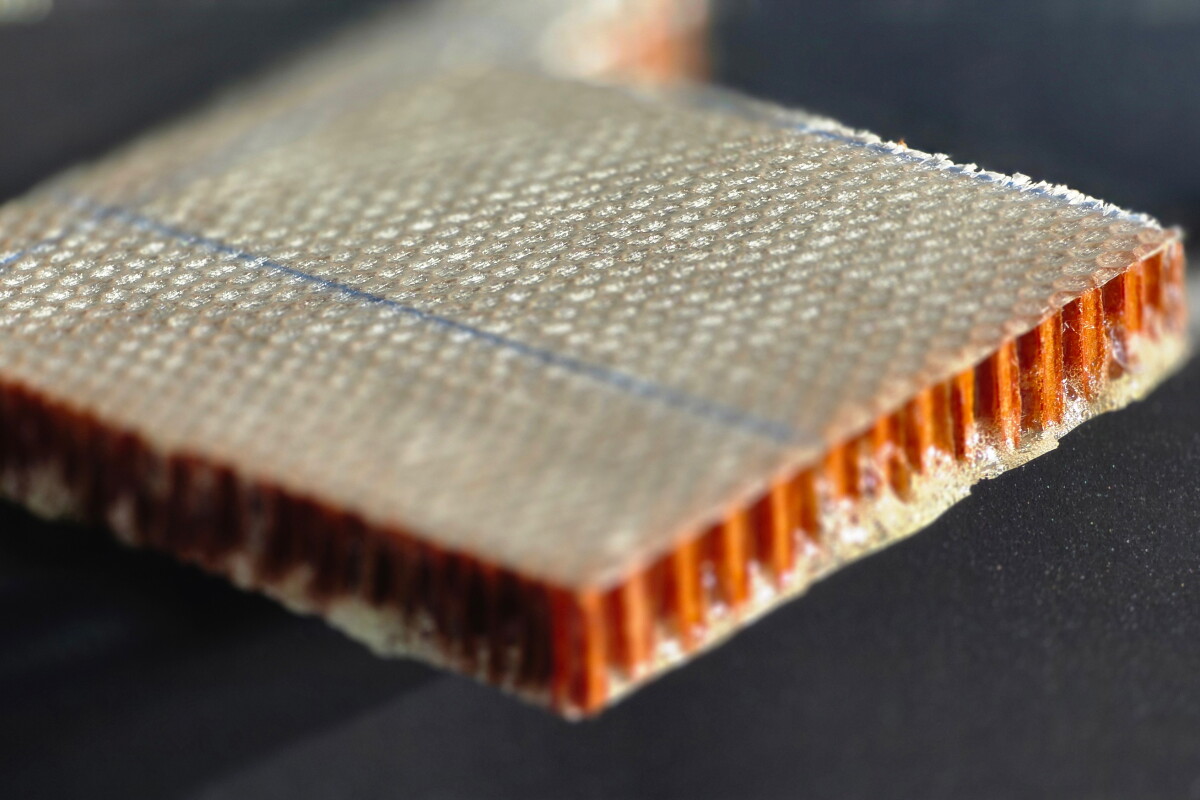
Lumbar support braces designed to provide relief from chronic low back pain may not be as effective as people have been led to believe, with scientists finding that recommendations are based on low-quality evidence.
New epoxy built to stick until you tell it not to
by Etiido Uko
Epoxy is one of materials science’s great unifiers, bringing various materials together to form composites. However, it makes material recovery for recycling very difficult. Scientists have created an additive that enables the material to let go.
Elsewhere
In the 1990s, folks of all ages were swept up by a very strange craze. A keyring device was home to a digital pet, which would hatch from an egg and then interrupt your peace and quiet with frequent demands for attention, food, training, and so on. The idea was to care for your new virtual friend throughout the various stages of its life using a combination of buttons to interact with it and keep it healthy and happy.
The format was moved to the wrist in the early 2020s, and has now shrunk down to a chunky ring for Tamagotchi's 30th birthday.
Get your next issue ad-free – and support our work: join New Atlas Plus!