Headliner

Norway to build world's first ocean ship tunnel
by David Szondy
One for the "why hasn't this been done before?" department: Norway has greenlit construction of the world's first ocean ship tunnel. If the final budget receives parliamentary approval, work on the Stad Ship Tunnel will begin on the country's west coast.
Today’s newsletter sponsor
Stop Drowning In AI Information Overload
Your inbox is flooded with newsletters. Your feed is chaos. Somewhere in that noise are the insights that could transform your work—but who has time to find them?
The Deep View solves this. We read everything, analyze what matters, and deliver only the intelligence you need. No duplicate stories, no filler content, no wasted time. Just the essential AI developments that impact your industry, explained clearly and concisely.
Replace hours of scattered reading with five focused minutes. While others scramble to keep up, you'll stay ahead of developments that matter. 600,000+ professionals at top companies have already made this switch.
Highlights
Bosch pushes the ebike motor to the rear wheel for the first time
by Omar Kardoudi
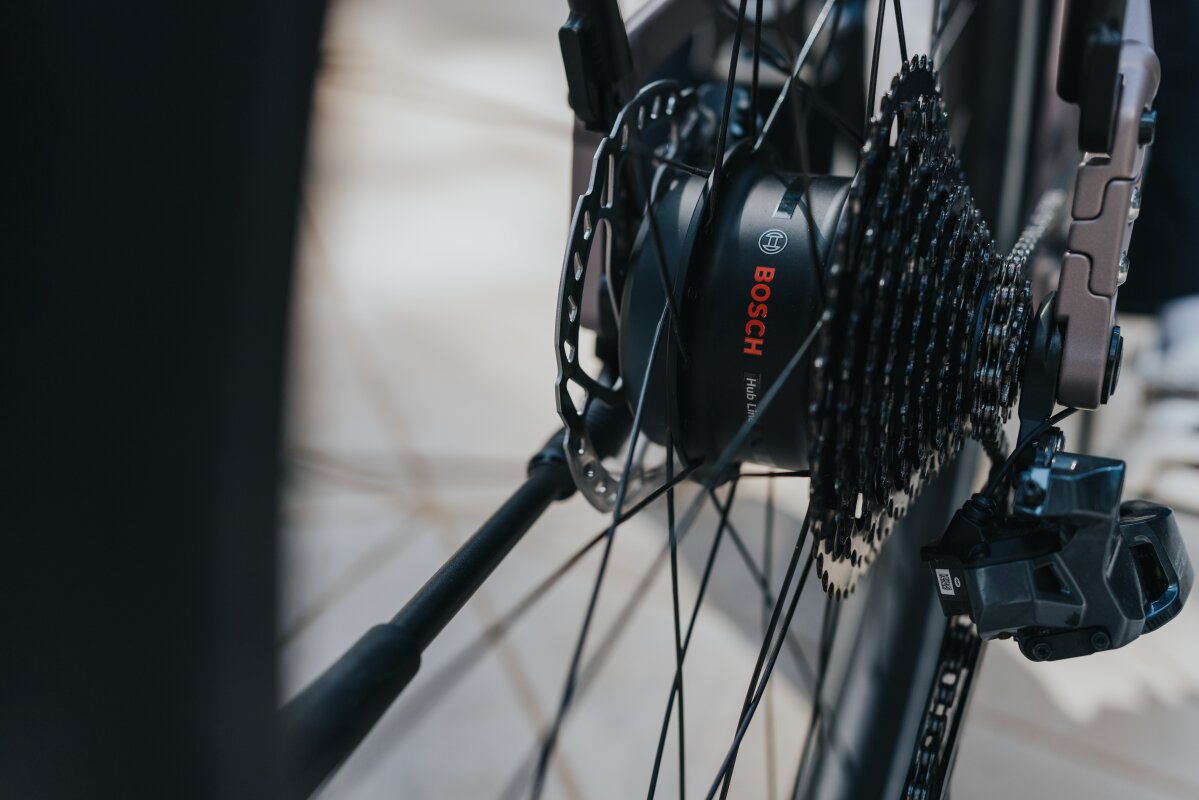
Bosch has launched its first hub motor, the Hub Line, targeting urban riders who want electric assist in a compact, lightweight package. Canyon and Vello are already on board, with both debuting Hub Line bikes at Eurobike next week.
Cotton-like fluffy fabric stores and releases heat while repelling moisture
by Ben Coxworth
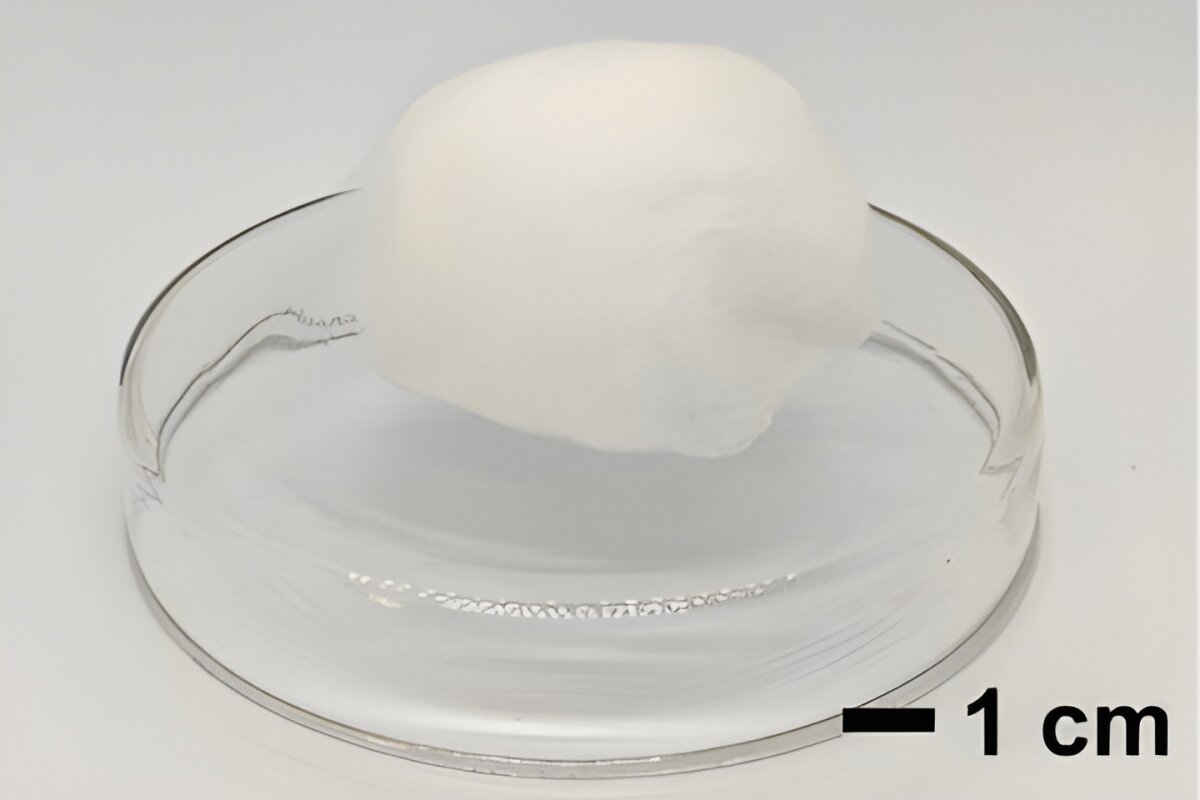
Cotton may be soft and warm, but we're told not to wear it for sports because it traps moisture, becoming wet and drawing heat away from the body. Well, scientists have created a fabric that repels moisture while replicating the coziness of cotton.
Special promotion for New Atlas readers

A unique new learning app is only $49 for life during Deal Days
Your phone knows exactly how many hours you’ve spent staring at nothing. Nibble turns that wasted screen time into 10-minute lessons, and during Deal Days, a lifetime subscription is just $48.99 (reg. $599.99).
More Stories
Life-saving autonomous drone could find people who fall off ships
by Etiido Uko
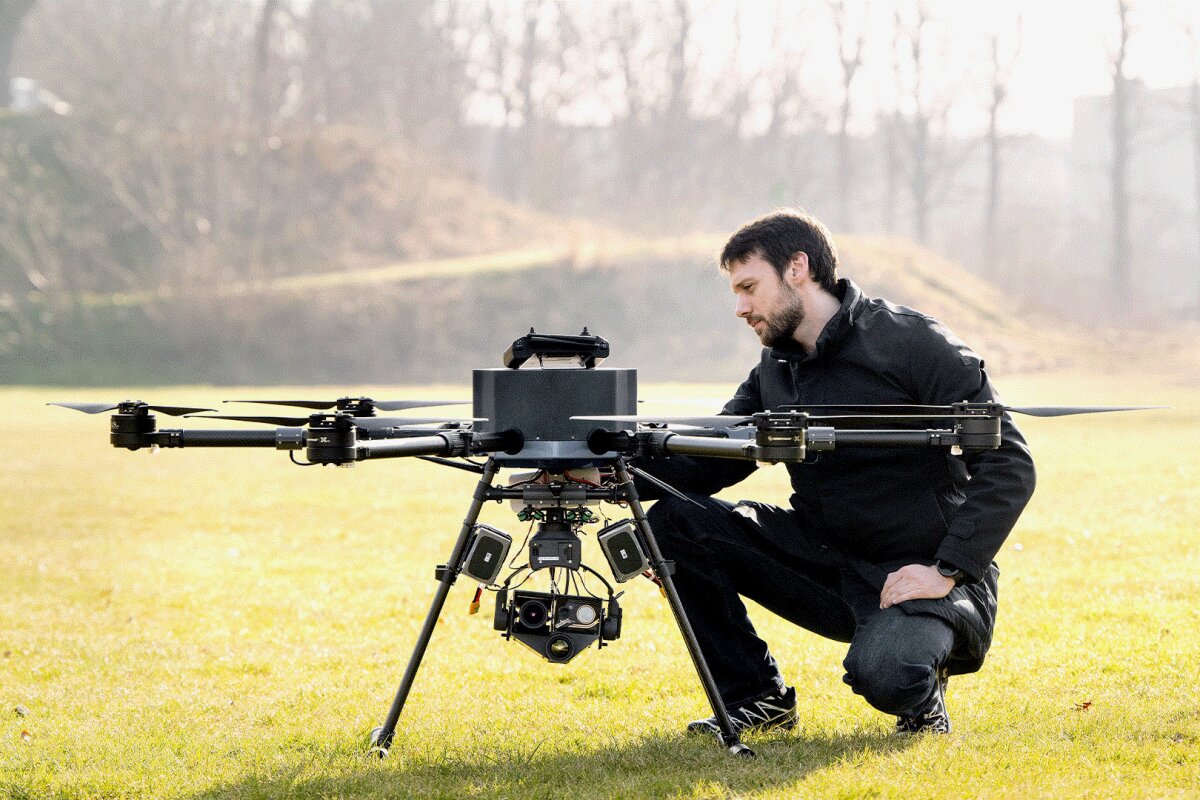
“Man overboard!” The dreaded call that starts a race against time and the often treacherous sea. Sadly, the sea often wins, mainly due to reaction times. Researchers at the Technical University of Denmark (DTU) are now developing an onboard drone that aids rescues without human intervention.
Massive floating fish farm sets new record in China
by Bronwyn Thompson

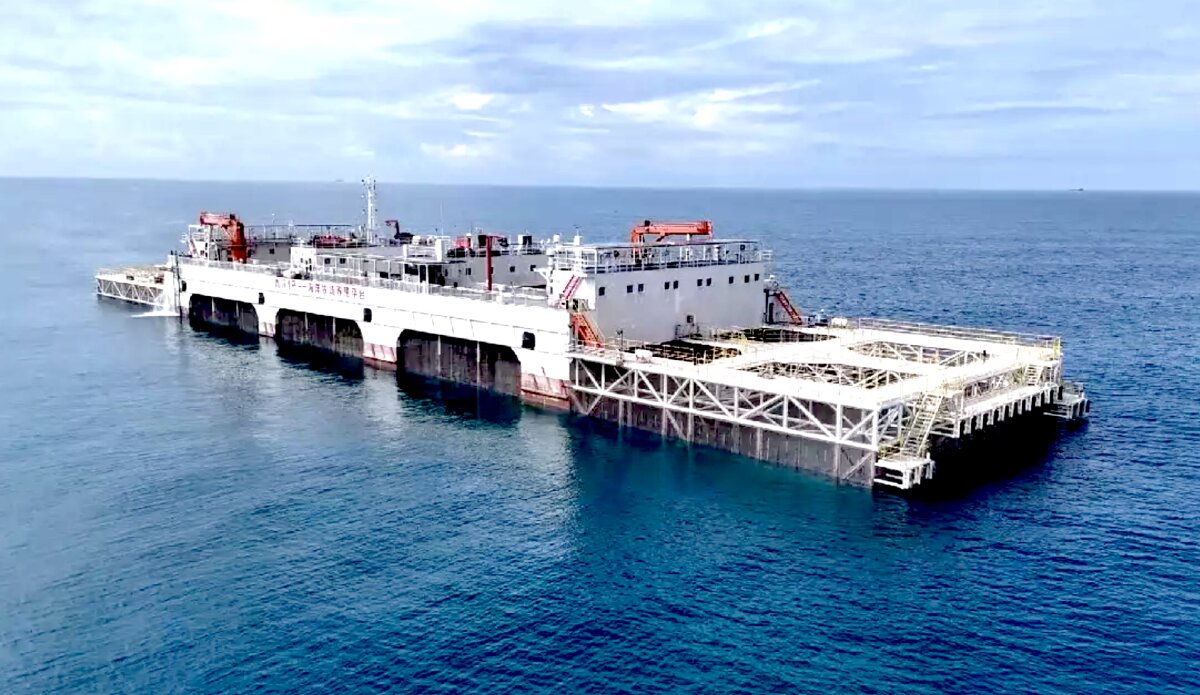
A semi-submersible aquaculture rig that holds more than 14 million gallons of water – 20 Olympic swimming pools' worth – has begun operating in the waters off Hainan Province. It's expected to produce more than 4,000 tonnes of fish in its first year.
'Smart' running safety vest packs radar, GPS and emergency alert system
by Maryna Holovnova

Whether you’re running, cycling, or walking your dog, safety always comes first. RunSafePro is a smart vest designed to detect approaching traffic, improve your visibility, and send emergency alerts to your loved ones if something goes wrong.
Off-grid-capable tiny house embraces small-living freedom
by Adam Williams
The Felicia is a compact and easily towable tiny house that focuses on freedom and simplicity. The home can optionally run off-grid, making it well suited to life away from campsites and trailer parks.
Refractor: Science & Health
Please note that articles listed in this section will open at our sister site: Refractor

Hair-loss pill passes critical test with 80% success rate
by Bronwyn Thompson
We might be on the verge of a critical breakthrough treatment for pattern hair loss, with a novel slow-release oral drug meeting its significant endpoints in a Phase II/III trial of 519 patients. The next results are due later this year.
Virus found hiding in gut bacteria linked to colorectal cancer
by Pranjal Malewar
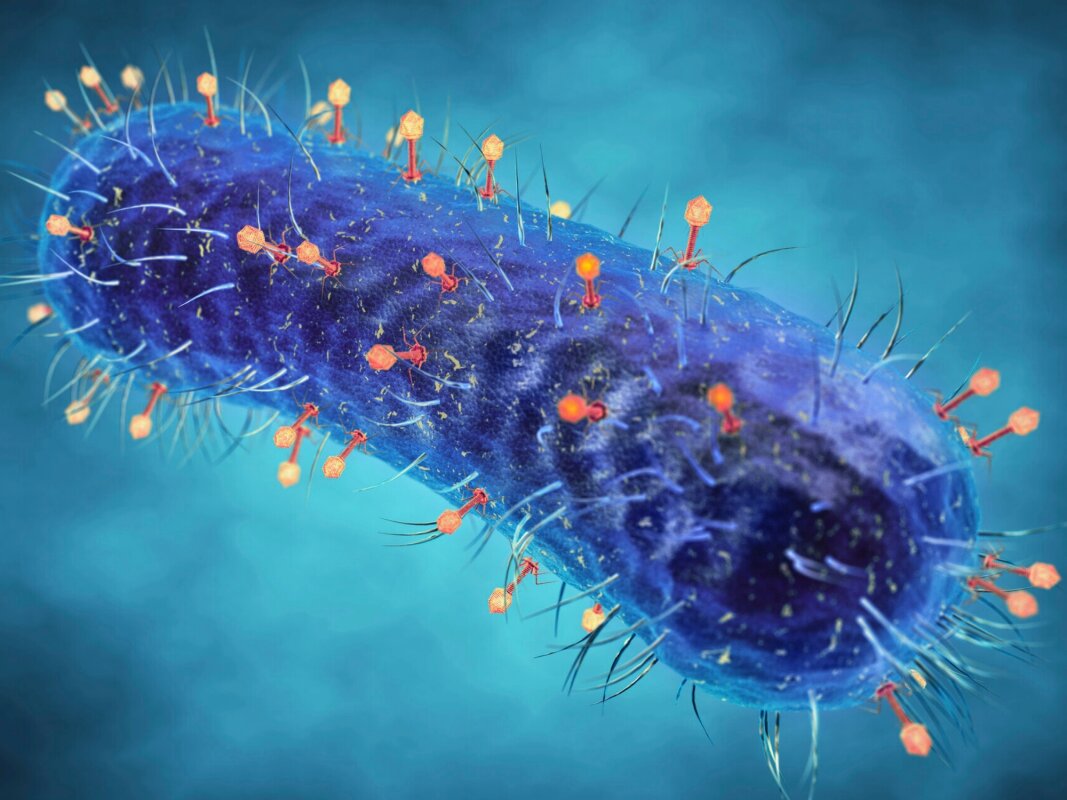
Colorectal cancer has long been linked to a microbial imbalance in the gut. A new study suggests this dynamic is more complicated than initially thought, with not just bacteria behind it but the viruses living inside them.
Study predicts when the last plants on Earth will die
by Mike McRae
Jacob Haqq-Misra and Eric Wolf, researchers with the charity Blue Marble Space, argue in their recently published paper that Earth could stay green for nearly 1.9 billion years or more, depending on how the future plays out.
Patting a cat when you're stressed could be a bad idea, study reveals
by The Conversation
Researchers tracked pet owners across five days to see whether interacting with a dog or cat influences mood in real time. Here's what they found.
Elsewhere
A 10-story apartment building was fully completed in just over 28 hours by assembling factory made modules on-site like monster Lego blocks.
Get your next issue ad-free – and support our work: join New Atlas Plus!