Modular next-gen US nuclear reactor goes critical
by David Szondy
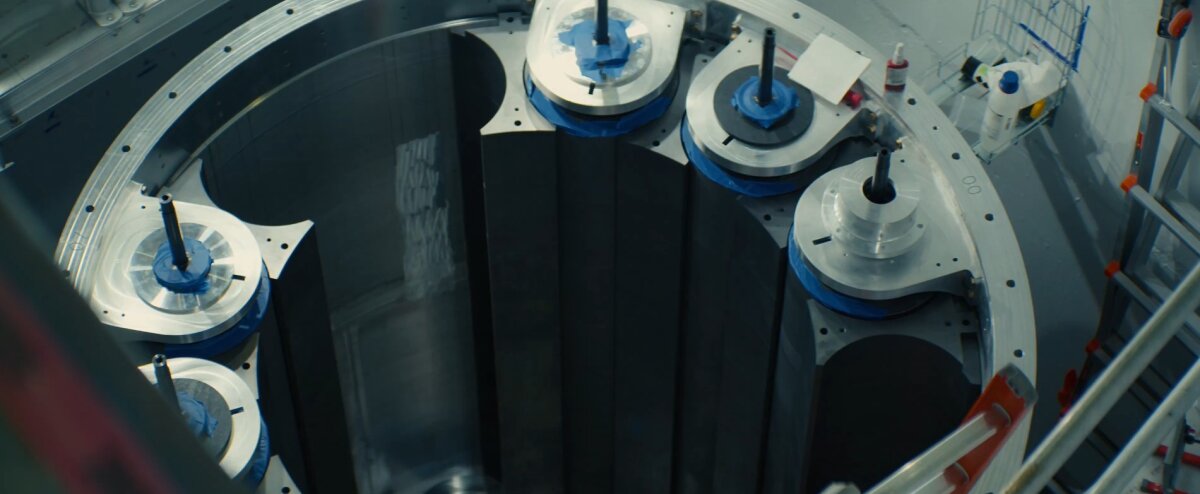
Nuclear energy in the West took another step forward as the first privately developed, non-light-water reactor to go critical in the United States in more than 40 years reached a major milestone when the Antares Nuclear Mark-0 test reactor came online at Idaho National Laboratory.
Today’s newsletter sponsor
Highlights
ArchitectureEngineering
Lego recreates world's tallest church with largest-ever set
by Adam Williams
The real Sagrada Familia has been under construction for more than 140 years, but Lego's new replica should hopefully prove a little quicker to assemble. Featuring just over 12,000 pieces, it's Lego's largest set to date.
Home EntertainmentConsumer TechTechnology
Bookshelf speakers put the tweeter in the throat of the driver cone
by Simon Heptinstall
Think speakers are a simple paper cone that vibrates to translate electrical signals into sound? There’s rather more to it these days – as the European debut of a new high-end wireless speaker system from Scotland has just demonstrated.
Special promotion for New Atlas readers
More Stories
SportsConsumer TechTechnology
The riddle of the LA Olympics: No cars, no new venues – How?
by Dr. Jaroslav Boublik
In 2028, Los Angeles will become the first city to hold the (modern) Olympic Games for a third time – and it's planning to do so with no new infrastructure built, and as a "no-cars" event in one of the world's most car-reliant cities. Here's how.
RoboticsEngineering
5-in-1 miniature surgical robot is the size of a seed
by Etiido Uko
Picture a surgical robot that can move, cut tissue, release drugs, grip and store samples, and generate heat. You most likely didn't imagine a robot that can fit in your hands. Yet, scientists have created a 5-in-1 robot that fits on your fingertip!
MaterialsEngineering
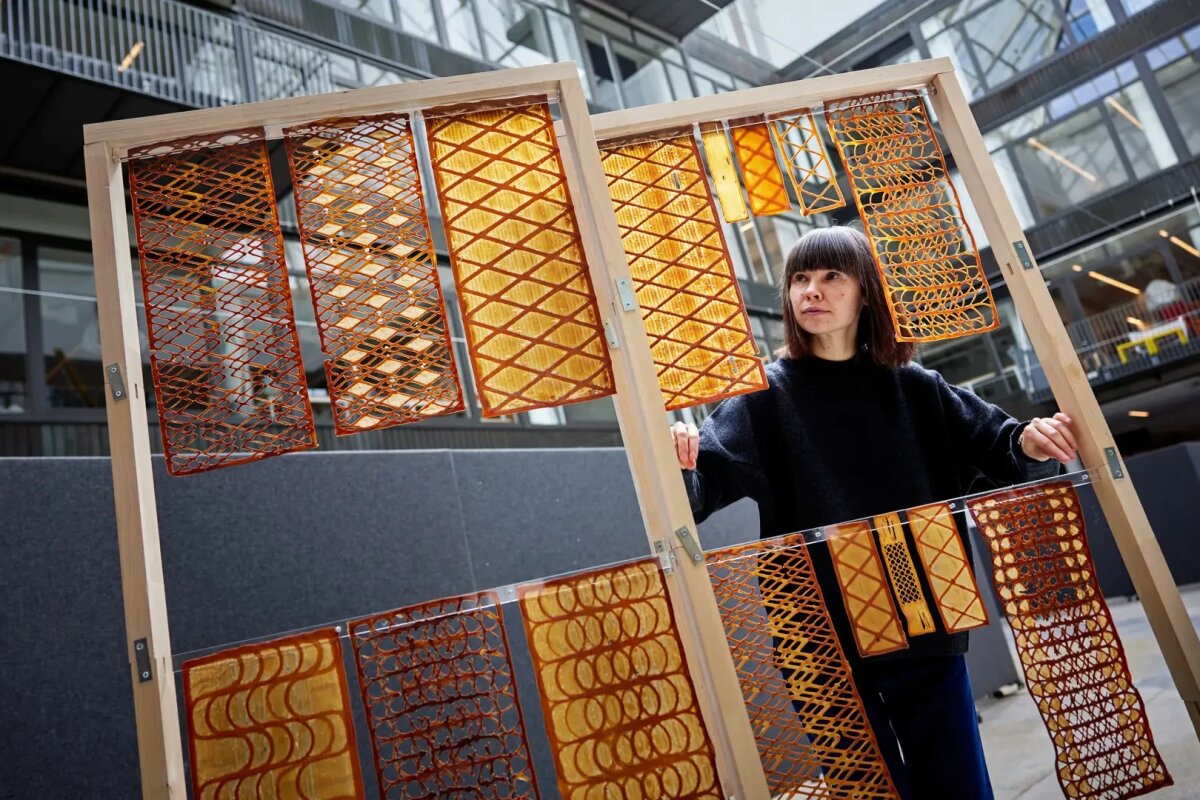
3D-printable architectural material is made out of yeast
by Shirl Leigh
A research team at Chalmers University has come up with a new bio-derived material made from yeast. It can be used with 3D-printing technology to produce a construction material which can be modified specifically for the architectural field.
Tiny HousesOutdoors
Two-bedroom tiny house sleeps four and makes space for guests
by Adam Williams
Intended for full-time living, the Porto squeezes a lot into its modest footprint. It features a practical interior with two bedrooms – plus a sofa bed for guests – and has multiple optional extras available, including off-grid functionality.
DronesConsumer TechTechnology
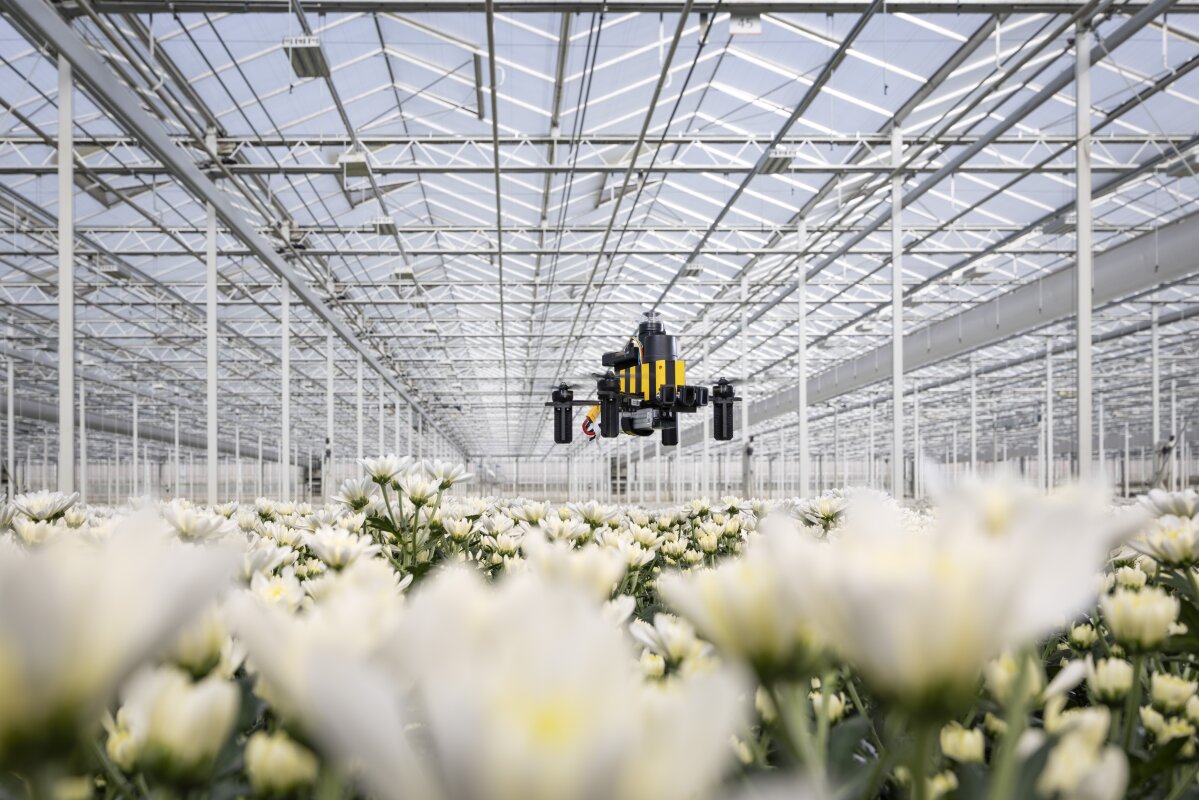
Honeybees inspire a super-efficient navigation system for drones
by Etiido Uko
Honeybees travel up to 2 miles from home to forage and seamlessly return. That’s equivalent to a human walking 226 miles without any equipment. Scientists have replicated this ability in a navigation system for drones that uses just 42 KB of memory.
Special promotion for New Atlas readers
What 200K+ Engineers Read to Stay Ahead
Your GitHub stars won't save you if you're behind on tech trends.
That's why over 200K engineers read The Code to spot what's coming next.
Get curated tech news, tools, and insights twice a week
Learn about emerging trends you can leverage at work in just 5 mins a day
Become the engineer who always knows what's next
Refractor: Science & Health
Please note that articles listed in this section will open at our sister site: Refractor
ArchaeologyScience
Cave discovery pushes back the moment we first used fire
by Mike McRae
By testing the luminescence of ancient bones, an international team of researchers has provided strong evidence that residents of South Africa’s Wonderwerk Cave may have been cooking their breakfast some time between 1.07 and 1.78 million years ago.
Learning & MemoryBrain HealthBody and Mind
Your brain reads paper books and screens differently
by Bronwyn Thompson
Does the way information "sticks" to our brains differ depending on the medium? New research suggests it might, with readers engaging more with a story in a traditional book than one read on a digital device.
Elsewhere