Features of the week
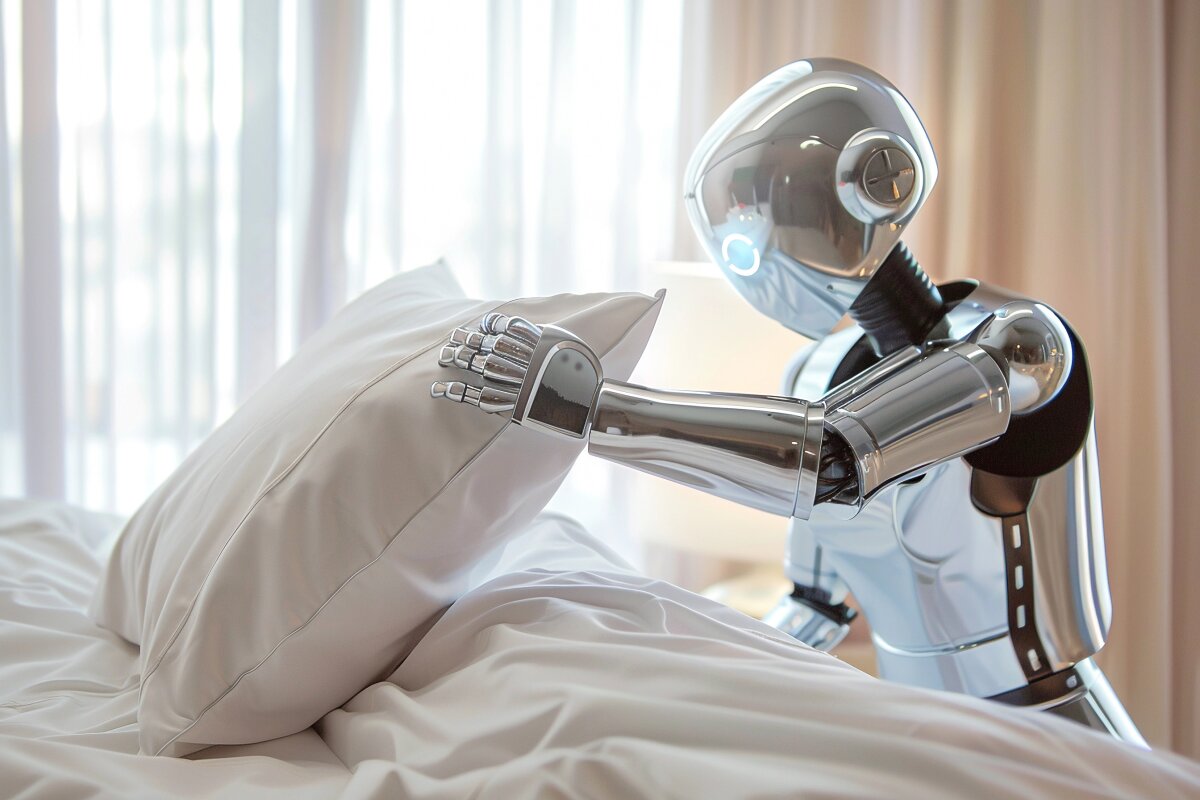
World's first hotel entirely staffed by robots to open in 2027
by Bronwyn Thompson
The first hotel run by robots is set to open its doors to the public next year. It comes as no surprise that it's happening in China – on the artificial island built for the Shenzhen-Zhongshan Link, the cross-sea megaproject in the Pearl River Delta.
Single-floor tiny house skips the loft to keep things spaciously simple
by Adam Williams

Unlike a lot of tiny houses we see, the Justine doesn't attempt to cram too much into its towable frame. Instead, it spreads its interior layout across a single floor, creating a spacious home that's suitable for full-time living.
Skeletal electric street buggy accelerates (to 19) in under 2.5 secs
by Joe Salas

The Amble One is a street-legal EV that looks like a pensioned VW Schwimmwagen after moving to a 5-star resort and discovering cork upholstery. No, it doesn't float. But I still want one.
VW California PHEV camper elevates van life via off-grid overnight A/C
by C.C. Weiss
Volkswagen has refreshed the California camper van with a new look, sharpened interface and improved driver-assistance package. Best of all, a new climate control feature will make camping more comfortable throughout the entire year.
This week’s newsletter sponsor
How to Recover Deleted Photos from iPhone
Accidentally deleted iPhone photos? Dr.Fone recovers them even without backup. Connect, scan, restore in 3 steps. Preview and selectively recover to your phone or computer. Save your memories today.
Top Stories: Transport
World's first narrow-gauge hydrogen train built for Italy's historic tracks
by Omar Kardoudi

Sardinia's regional rail operator ARST and Swiss train-maker Stadler have unveiled the world's first hydrogen train built for narrow-gauge tracks – and it will run on solar-produced green hydrogen from day one.
Interview: H2Fly chief talks future of hydrogen-electric aviation
by David Szondy
Electric flight seems to be all the rage, but its place in the aviation market has yet to be worked out. We talked to Ralph Müller, CEO of H2Fly, to discuss the state of play of electric aircraft, hybrid hydrogen fuel, and the future of the industry.
Low-slung electric trike puts its 'flying' rider face-first
by Ben Coxworth

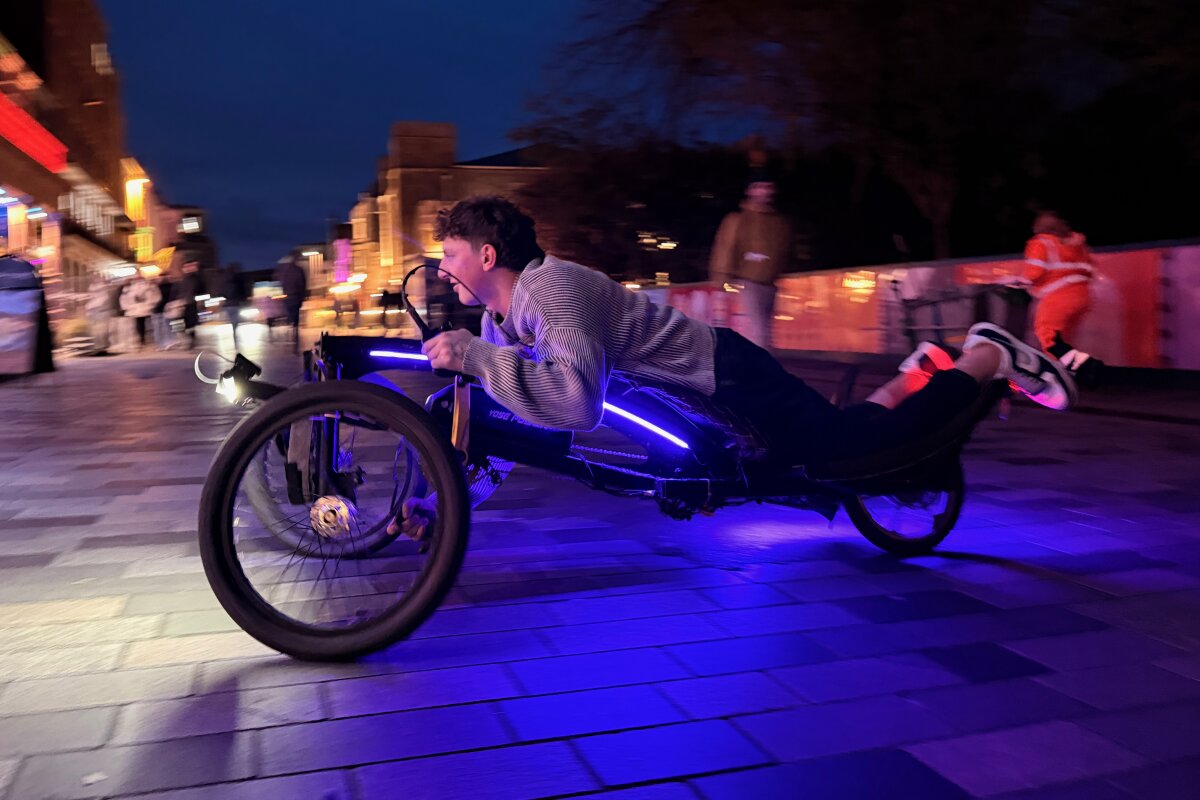
When you dream of flying, you likely picture yourself lying forward, not leaning back. The Swerv electric trike was designed with that fact in mind, as it puts its rider in a hair-raising prone position.
Review: Royal Enfield Bullet 650 is an old soul with a new heart
by Utkarsh Sood
This is the longest-running production motorcycle, the Royal Enfield Bullet, which has existed since 1932. And in all those years, the Bullet has never been offered with an engine as big as this. Here's our review of the new Bullet 650.
Special Promotion for New Atlas readers

One $55 payment. Years of Microsoft Word, Excel, PowerPoint & others.
Need to write a report, build a spreadsheet, create a presentation, or stay on top of your inbox? Microsoft Office is still the go-to productivity suite for millions—and right now, you can own the latest version for just $54.99 and no ongoing fees.
Top stories: Body & Mind
Midjourney's ambitious full-body 'scan spa' sounds almost too good to be true
by Bronwyn Thompson
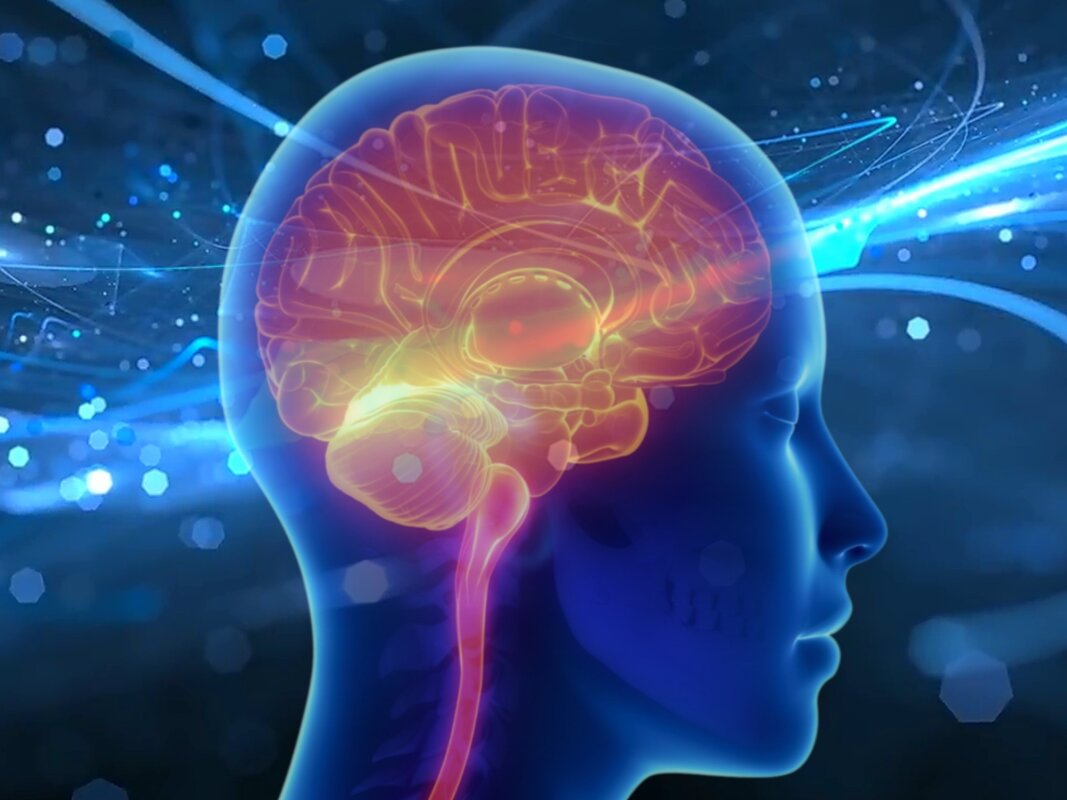
A company known for its AI image generation has made a surprise pivot – to healthcare. Midjourney says it will deliver a "new form of medical imaging" to map the body, in a day-spa setting, with the first center due to open to the public in 2027.
Brain pacemaker could help Parkinson's patients walk again
by Kerry Taylor-Smith

University of California, San Francisco (UCSF) scientists have developed a form of neurological pacemaker that adapts in real time to a patient’s walking and could address one of the most disabling and hard-to-treat symptoms of Parkinson’s disease.
Missing just one night of sleep impacts your brain’s connections
by Mike McRae

A new study has uncovered evidence of “synaptic down-selection” as we sleep, suggesting our nightly shut-eye is a perfect opportunity to prune back any neurological hedges that went wild during the day.
Daily weight-loss pill with low side effects advances toward US sale
by Bronwyn Thompson
A once-a-day oral GLP-1 pill known as CX11 has met its dosage and efficacy goals in a trial on US patients and will now advance to its first North American Phase 3 trial. It's already cleared this final hurdle in China where it awaits approval.
Top Stories: Outdoor
Extra-wide tiny house is built for comfortable family living
by Adam Williams

Downsizing is all well and good, but a family living on top of each other is bound to get old fast. The Old Man Pine addresses this with a spacious and well-thought-out layout that's a good fit for full-time family living.
Sleek vac-composite camper raises the bar for Sprinter adventure RVs
by C.C. Weiss
Rossmönster has established itself as one of the great masterminds of RV innovation. Now it's unleashing its design acumen on the B+ motorhome category. The new Loft redefines just how comfortable and stylish a small Sprinter adventure rig can be.
10-function multi-disc tool encircles compass with bonus features
by Maryna Holovnova
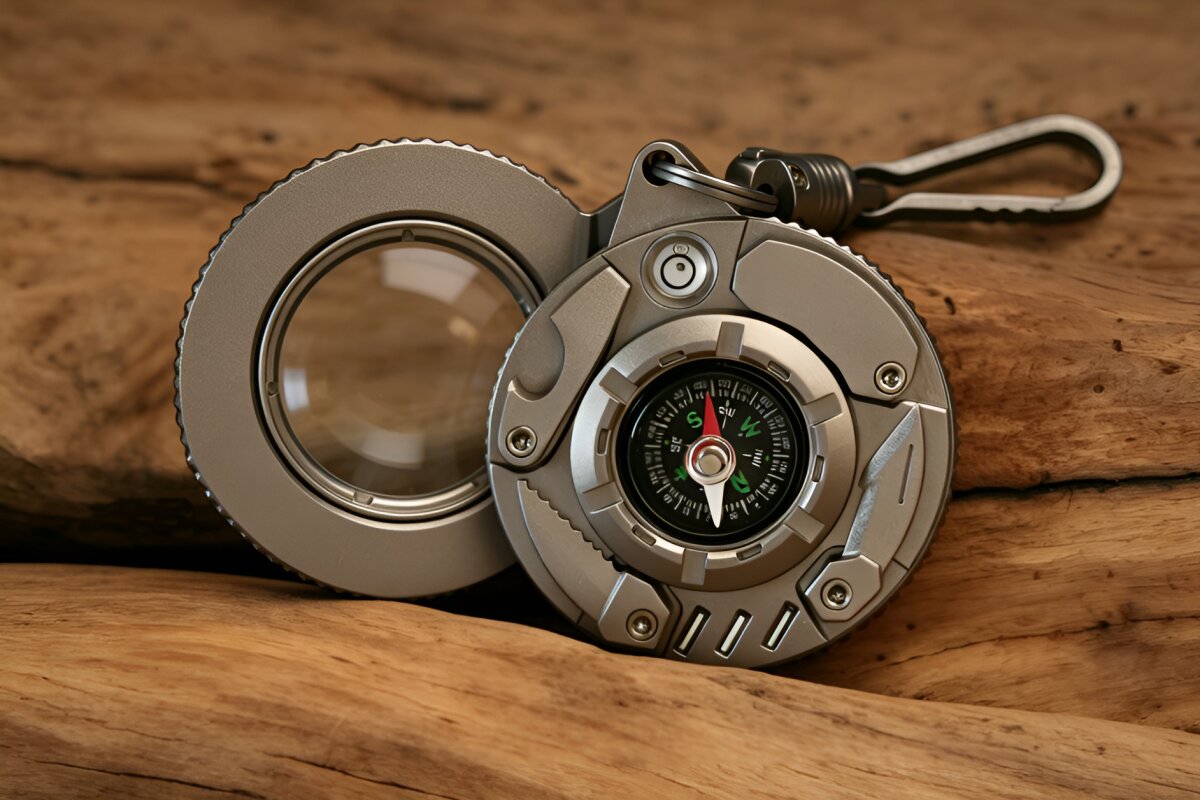
The Ti-Trailblazer looks like a traditional mechanical compass, but its compact body hides 10 additional miniature tools designed as a backup option for your outdoor adventures. It's currently on Kickstarter.
Sub-3-oz pocket shoes boost comfort on backcountry expeditions
by C.C. Weiss
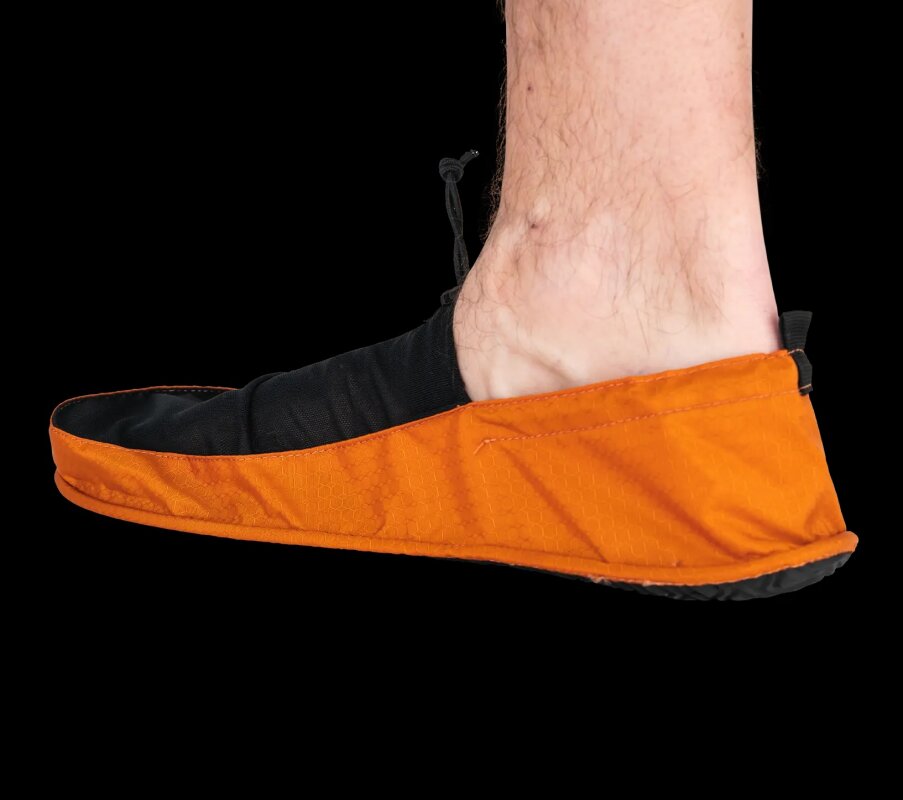
Backpackers want to remove stiff boots the second the hike is over, but carrying extra shoes entails a lot of unwanted bulk & weight. Zpacks' Deluxe Camp Shoes are an intriguing solution, offering slipper-like comfort in a tiny, 2.5-oz package.
Special Promotion for New Atlas readers
Postgres Didn't Fail You. Your Architecture Did.
Adding a second database was supposed to fix things. Now you manage sync, drift, and pipelines on top of queries that are still slow.
TimescaleDB extends Postgres instead. Hypertables, 95% compression, continuous aggregates. One database. No pipeline.
Top Stories: Technology

Meta's new AI glasses add Kylie flair without the designer badge
by Abhimanyu Ghoshal

Meta's been adding tech to glasses for the last few years now, in partnership with Ray-Ban and Oakley. It's now launched a new range of smart glasses with AI smarts on board, sans those brand names.
The human eye may hold the fix for self-driving cars
by Maryna Holovnova

As advanced as modern cameras are, they still struggle with mixed lighting conditions. New technology can adapt to changing light faster than the human eye, potentially making self-driving cars safer and even serving as a visual aid in the future.
The long goodbye: BBC pulls the plug on long-wave radio (and TV is next)
by David Szondy
After more than a century, an era comes to an end as the world's longest-running long-wave radio service shuts down. On June 27, 2026, the BBC switched off its Radio 4 long-wave broadcast for good, with an even more startling cancellation in the works.
Review: Sleek $200 projector nails picture, sound and ease of use
by Bronwyn Thompson
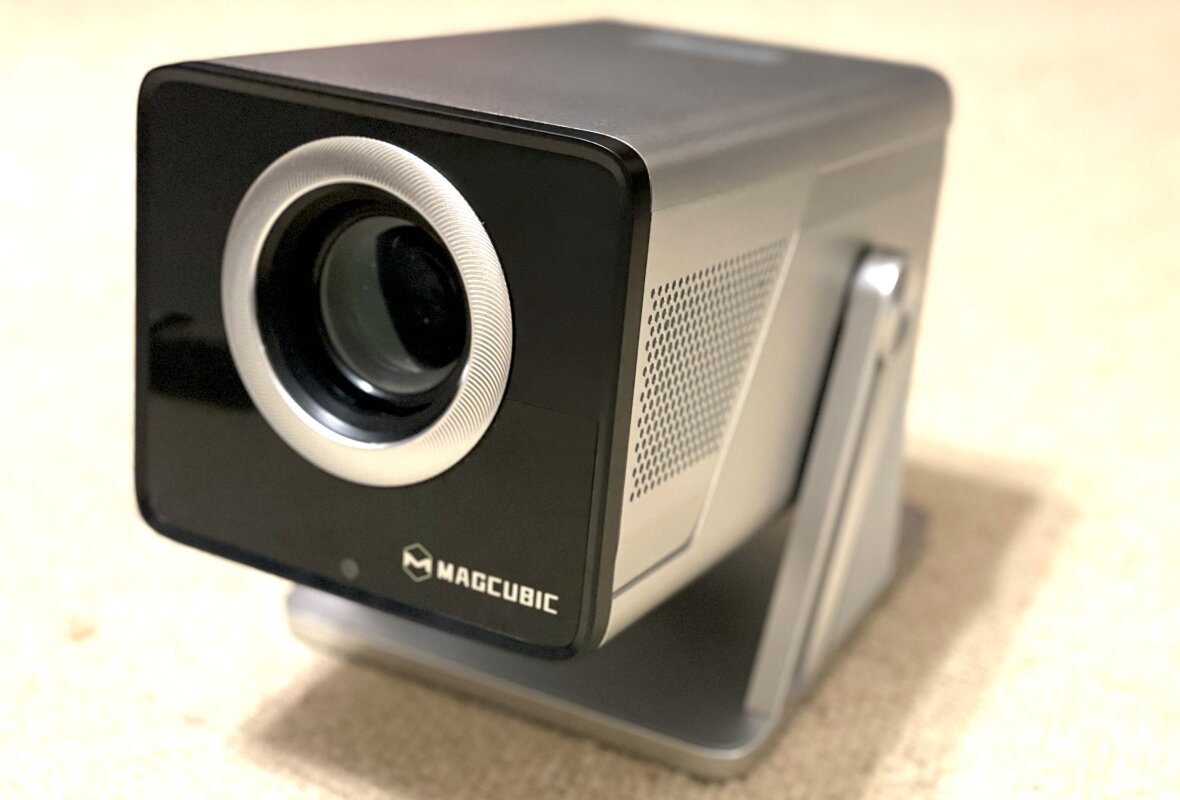
The Magcubic X7 home smart projector is a surprising package. At first glance, it looks more like a portable unit limited in function. But from sound to connectivity and picture quality, this easy-to-use projector is serious value for money.
Top Stories: Science
World first: Human embryo model grows its own organs – in the lab
by Bronwyn Thompson
Chinese researchers have taken a big step toward a world in which we can cultivate organs for transplant, with the first-ever embryo-disc model that can support and grow the seed cells needed in vitro. It's also a huge leap for regenerative medicine.
Your dog’s walk offers clues of early signs of canine dementia
by Mike McRae

A new study has found that the stride length of a dog’s front legs can be used to accurately diagnose their cognitive decline. Because a person’s change in gait can play a significant role in spotting early signs of Alzheimer's disease or dementia.
'Friction' from light seen in strange new physics experiment
by Toluwalogo Niji-Olawepo

Light could put the brakes on material diffusing through a solution, and the reason why touches on some of the stranger corners of quantum mechanics.
Gorilla giggles and chimp chuckles reveal the origin of laughter in humans
by Mike McRae
Psychologists compared the laughter of all great apes. What they found was a steady shift in the speed, variation, and context of our most mirthful vocalizations that helped them trace the origins of the human laugh.
Let us know what you’d like more or less of in this weekly roundup - just reply to this email and we’ll take it on board!
Get your next issue ad-free – and support our work – join New Atlas Plus!