

Headliner
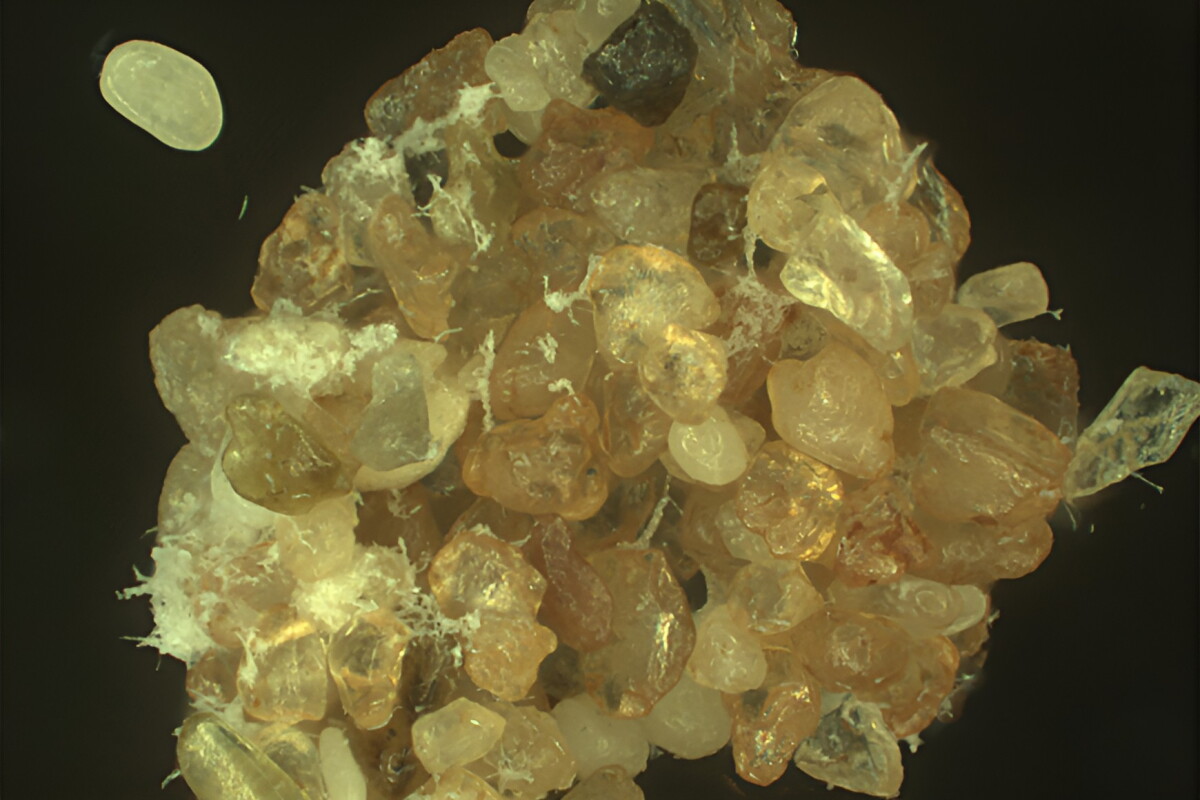
'Living sand' aims to bring crops to infertile desert wastelands
by Maryna Holovnova
Today’s newsletter sponsor
Smart starts here.

You don't have to read everything — just the right thing. 1440's daily newsletter distills the day's biggest stories from 100+ sources into one quick, 5-minute read. It's the fastest way to stay sharp, sound informed, and actually understand what's happening in the world. Join 4.5 million readers who start their day the smart way.
Highlights
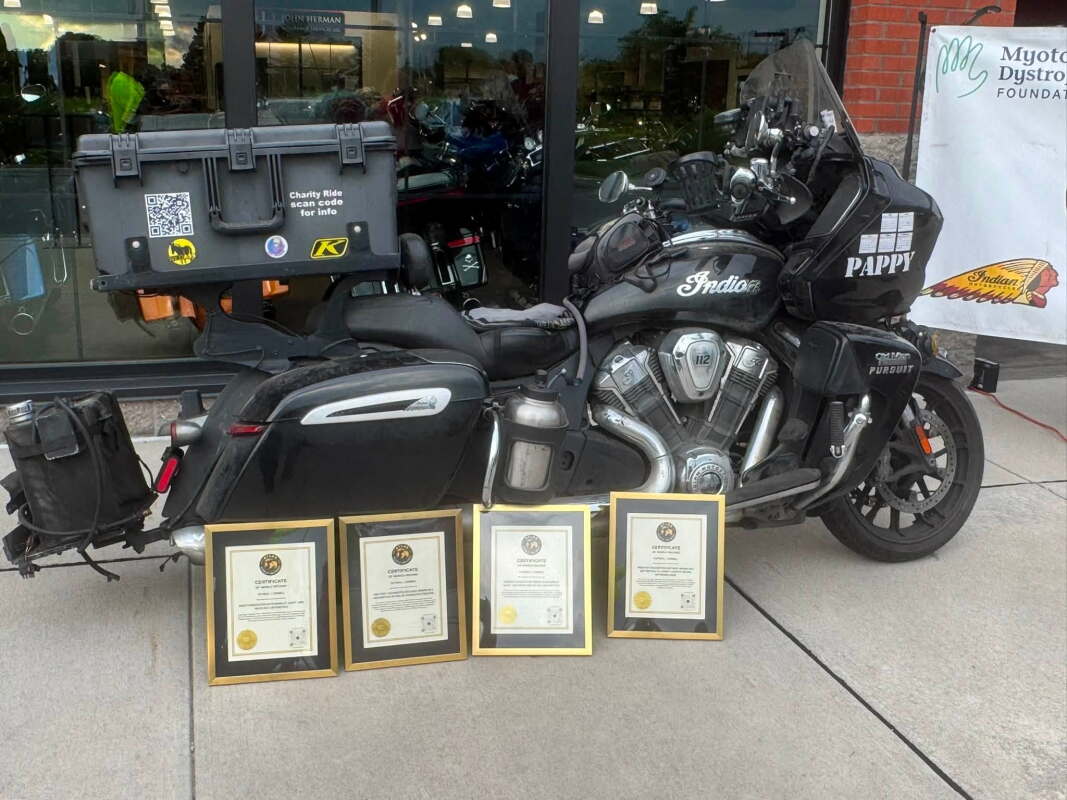
Epic ride: 201,901 miles, four records and $150,000 for charity
by Utkarsh Sood
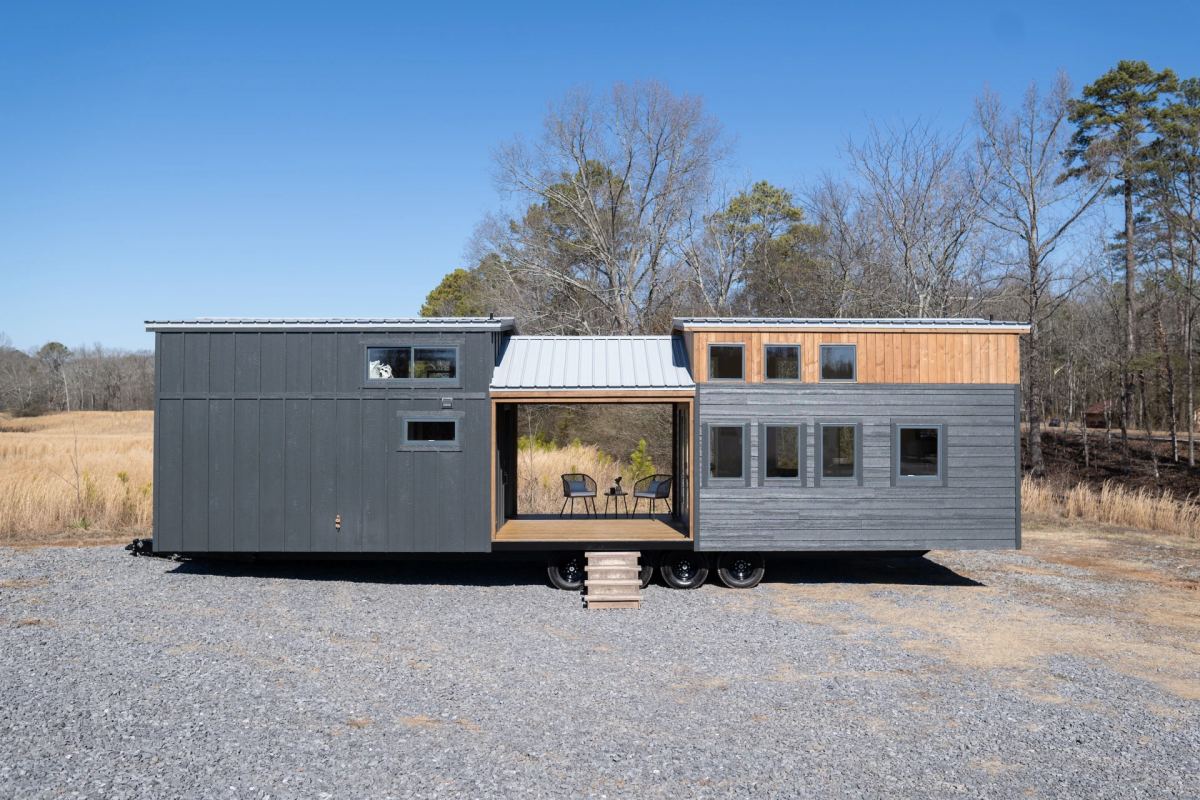
Top 10 tiny houses that are designed for family living
by Adam Williams
Special promotion for New Atlas readers

This $29.97 Visual Studio deal gives developers AI-assisted coding
More Stories

Jensen Interceptor GTX is Britain's emphatic reply to the Ford Mustang
by Utkarsh Sood
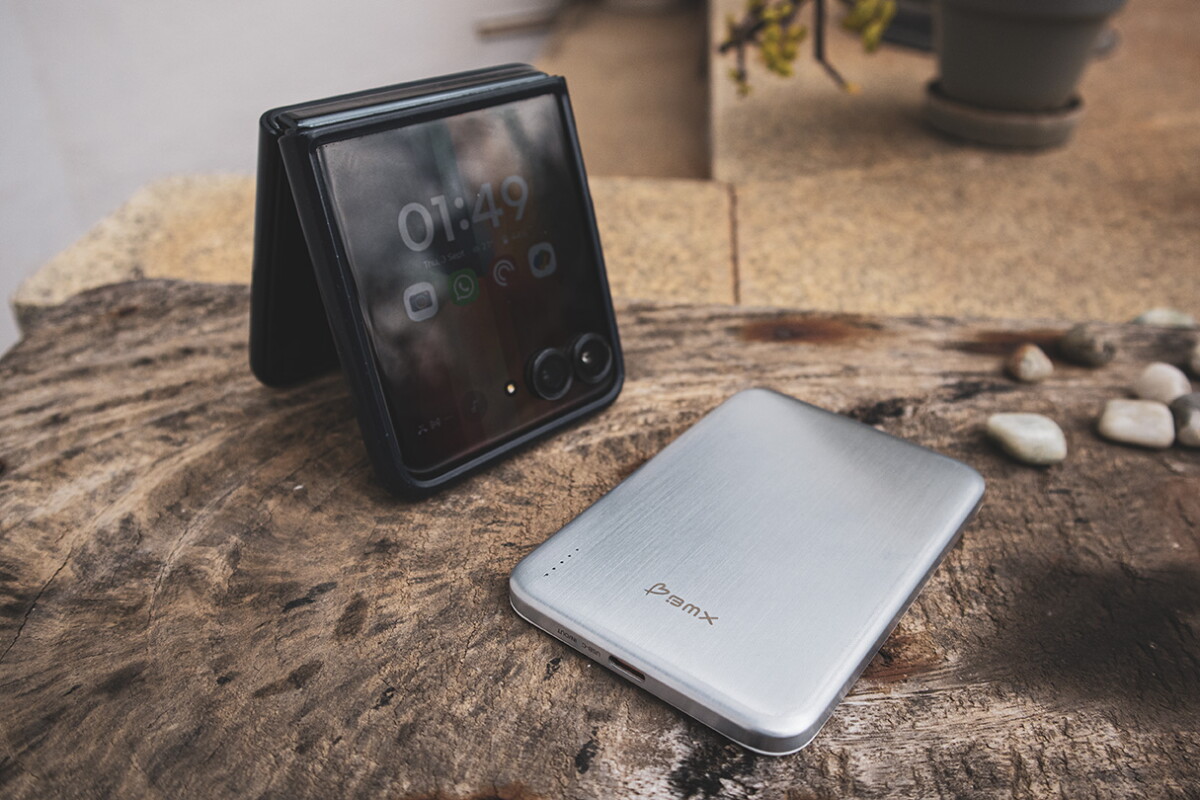
The slimmest semi-solid-state power bank is perfect for small EDC kits
by Abhimanyu Ghoshal

Evoke’s budget electric moto promises serious everyday rideability
by Utkarsh Sood
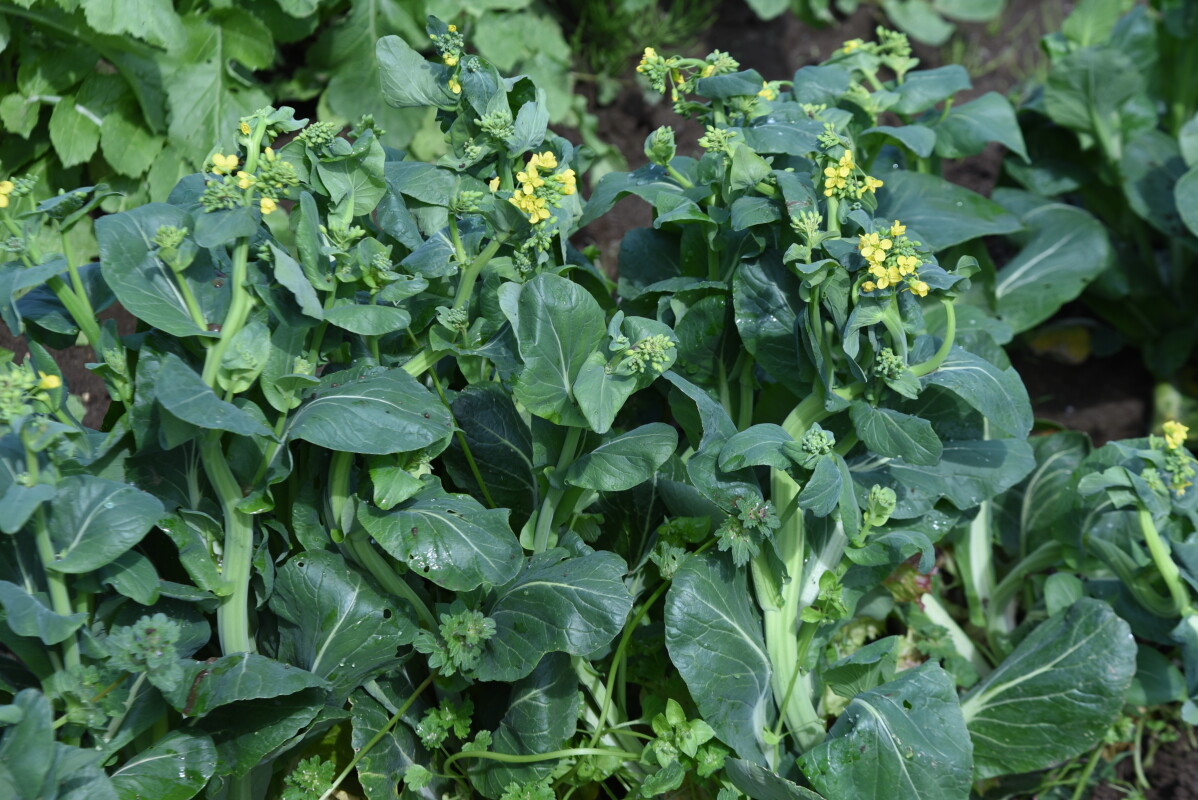
Modern miracle? Plastic waste transformed into effective fertilizer
by Malcolm Azania

7-seat ladder-frame Mitsubishi Pajero is back to combat 4x4 status quo
by Utkarsh Sood
Special promotion for New Atlas readers
Is Your Training Data Actually Model-Ready?

DNSMOS gives you a score, not whether that data fits your model. Treat it as pass/fail and you'll train on audio that looks clean but hurts performance, while tossing good data for no reason. Voices' CTO DJ Jalali just published a white paper with the four-step framework the team uses to set internal thresholds instead.
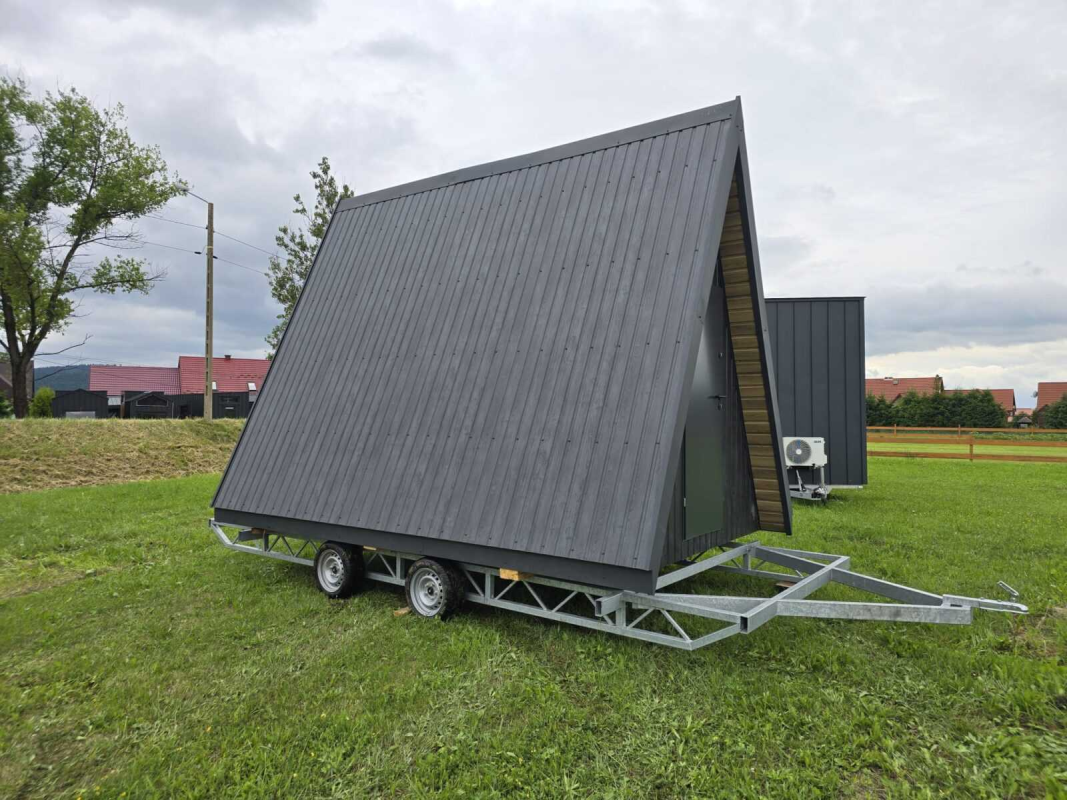
Towable A-frame is about as small and simple as a tiny house gets
by Adam Williams
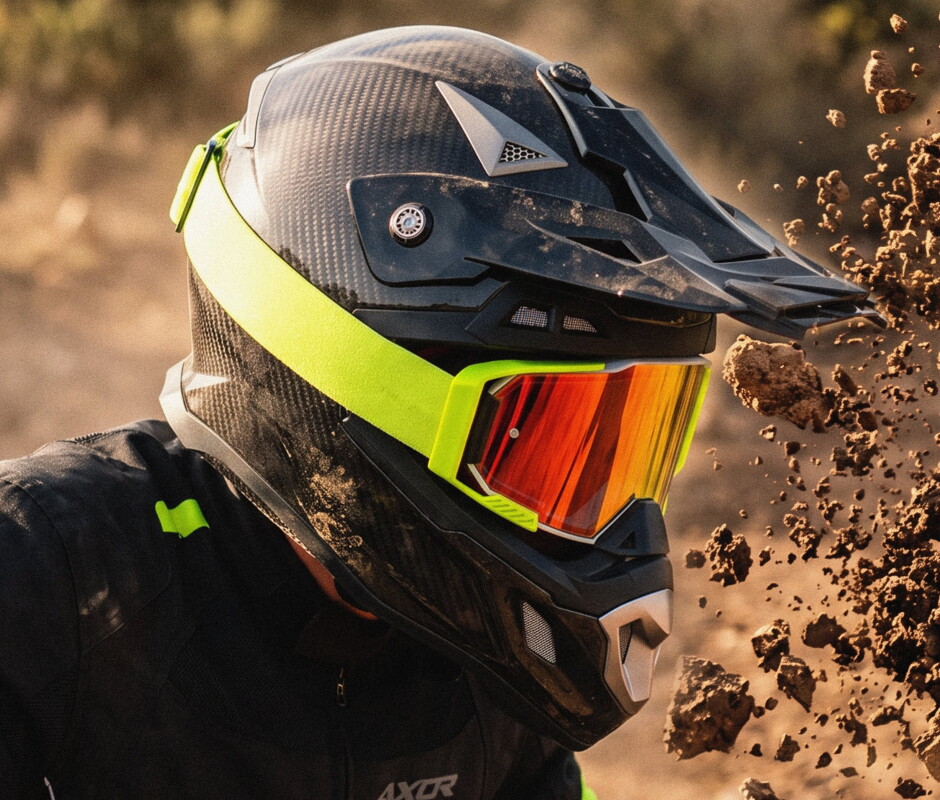
Has an Indian disruptor just built the world’s lightest off-road helmet?
by Utkarsh Sood
Elsewhere
Single-exposure microscopy development allows incredibly detailed real-time look inside living cells. Spatial polarization-induced florescence fluctuation imaging - or SPIFFI for short - reportedly overcomes multi-frame challenges of traditional super-resolution microscopy while "achieving resolutions of about 80 nanometers."
Get your next issue ad-free – and support our work: join New Atlas Plus!